
Understanding Stress Urinary Incontinence in Women
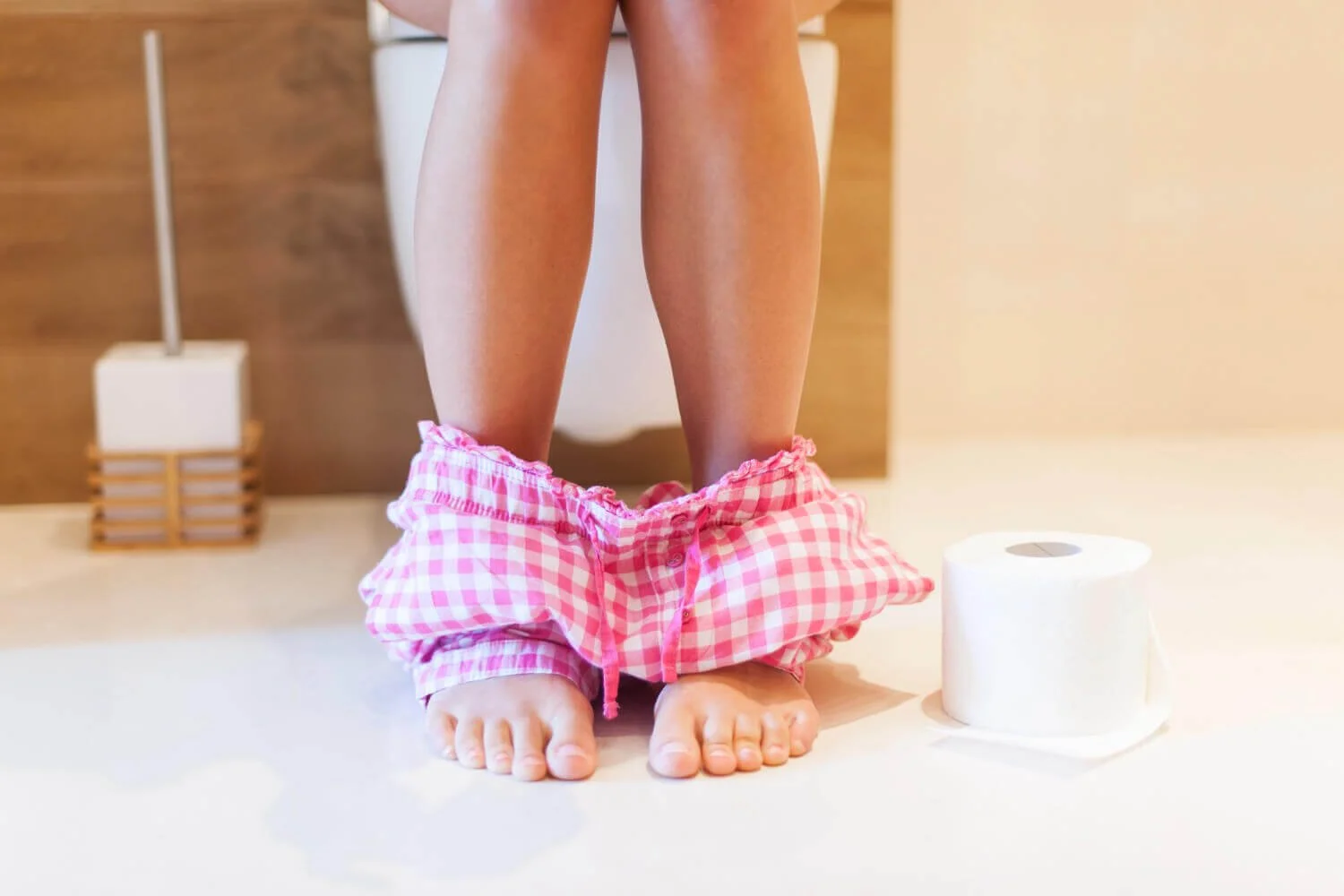
If you leak urine when you cough, sneeze, laugh, or exercise, you may have a condition known as Stress Urinary Incontinence, or SUI. The Pelvic Awareness Project blog explores what you need to know about SUI, including what it is, why it happens, and the factors that increase your risk. You’ll also learn how it’s diagnosed and the wide range of treatment options available, from pelvic floor exercises to medical interventions.
Why Do I Pee When I Cough?
Why do I pee when I cough? Or laugh, or lift my baby, or sneeze. It’s because the action of coughing, laughing, or sneezing puts pressure on the bladder, causing urine to leak. This is known as Stress Urinary Incontinence, and if you’re bothered by it, you’re not alone.
SUI is a common condition that affects millions of women, yet many don’t seek help because they see it as an inevitable part of aging or childbirth. It’s not!
Whether symptoms have just started or have been affecting you for years, the first step is understanding the condition. Then you can find practical solutions and possible treatment programs.
Read on to understand more about Stress Urinary Incontinence.
SUI Is More Common Than Women Think
If you’re bothered by leaking urine, you are most definitely not alone. The incidence of SUI among adult women is estimated to be as high as 35%. The numbers could be even higher, since it’s possible that not all issues are defined as SUI, and many women don’t report their symptoms in the first place. Some think it’s a normal part of aging (which it isn't) or feel ashamed to admit to leaking urine.
Based on reported numbers, it’s believed that up to one in three women suffer from SUI at some point in their lives. Among women 65 and older, that number increases to about one out of every two females.
The main symptom of SUI is described as “the complaint of involuntary leakage on effort or exertion, or on sneezing or coughing.” While women can suffer from other forms of urinary incontinence, SUI is the most common.
Symptoms of Stress Urinary Incontinence
How do you know if you have SUI? As mentioned, the main symptom is leaking pee when there’s pressure on your bladder and urethra, such as when you cough, laugh, lift heavy objects, run or sneeze.
You may leak a few drops of pee, or in moderate to severe cases, you may leak more than a tablespoon of pee, even during less strenuous activities. You might even leak during intercourse. It may not even feel like you have to pee, but the sudden activity causes you to dribble.
Being 65 or older is a risk factor for SUI, but this is not a normal part of aging, and it can improve with treatment.
Here are some other risk factors for stress incontinence:
- being overweight or obese
- chronic constipation
- a chronic cough
- diabetes
- menopause
- weakened pelvic floor muscles
- pregnancy and childbirth, especially vaginal delivery
- smoking
- uterine prolapse
There are a number of tests that doctors use to diagnose SUI, such as a bladder ultrasound, a cystoscopy, and a urinalysis.
How Stress Urinary Incontinence Affects Women
Stress urinary incontinence can greatly diminish your quality of life on a daily basis, as well as impact your work-related, recreational and/or sexual activities. It can impact the quality of an intimate relationship and your family life; it can disturb your work life; it can affect your bodily image, mental health and personal hygiene.
Women with SUI will experience this in different ways, depending on the severity of the condition and on the activities and interests of each woman. As a result, improving quality of life is one of the main goals of a treatment plan. So if you think you have SUI, you should seek diagnosis and treatment.
Use the Physician Finder to find a doctor near you with expertise in women’s health, who can guide you through diagnosis and treatment for SUI.
What Can Women Do About Stress Urinary Incontinence?
There are a number of treatment options for SUI. Number one on the list is performing Kegel exercises on a regular basis. What are Kegels? This is the name given to exercises that strengthen the pelvic floor muscles. Weakened pelvic floor muscles can lead to a number of health conditions, including SUI.
Research has proven that pelvic floor exercises help keep pelvic floor muscles “fit,” and can be used as an effective treatment for women suffering with stress urinary incontinence.
To perform Kegels, contract your pelvic floor muscles for three seconds, followed by fully relaxing the muscles for three seconds. Work up to 10 to 15 repetitions each time you do Kegels, and up to three sessions a day. You can ask your doctor or seek the guidance of a physical therapist to be sure you’re doing Kegels correctly.
Women don’t have to wait until there’s a problem, either, as Kegels can be done as a preventative measure, and can be incorporated into a daily routine by women of all ages. Want to know more about pelvic floor exercises? Here’s an overview of everything you need to know about Kegels.
Other Treatments for SUI
Besides performing Kegels regularly, here are some other ways to deal with SUI:3
- avoid being constipated by eating high-fiber foods and drinking lots of water
- maintain a healthy weight
- manage conditions like diabetes and high blood pressure
- quit smoking
Depending on the severity of the SUI, your doctor may suggest vaginal estrogen creams, for instance, to strengthen your vaginal muscles and tissues. A pessary is a device inserted into your vagina to support your urethra. Sometimes surgery is performed to insert a sling to support your urethra.
See your doctor as soon as you have any of the signs of stress urinary incontinence. A healthcare provider can properly diagnose SUI, determine its cause, and recommend the best treatment for you.
[accordion][accordion_item title="Click for References"]
1- https://pmc.ncbi.nlm.nih.gov/articles/PMC1472862/
2- https://www.uofmhealth.org/conditions-treatments/adult-urology/stress-urinary-incontinence
3- https://my.clevelandclinic.org/health/diseases/22262-stress-incontinence
4- https://www.sciencedirect.com/science/article/abs/pii/S0378512210004172
[/accordion_item][/accordion]