
Nutrition and Pelvic Health: Foods That Help (and Hurt) Your Bladder
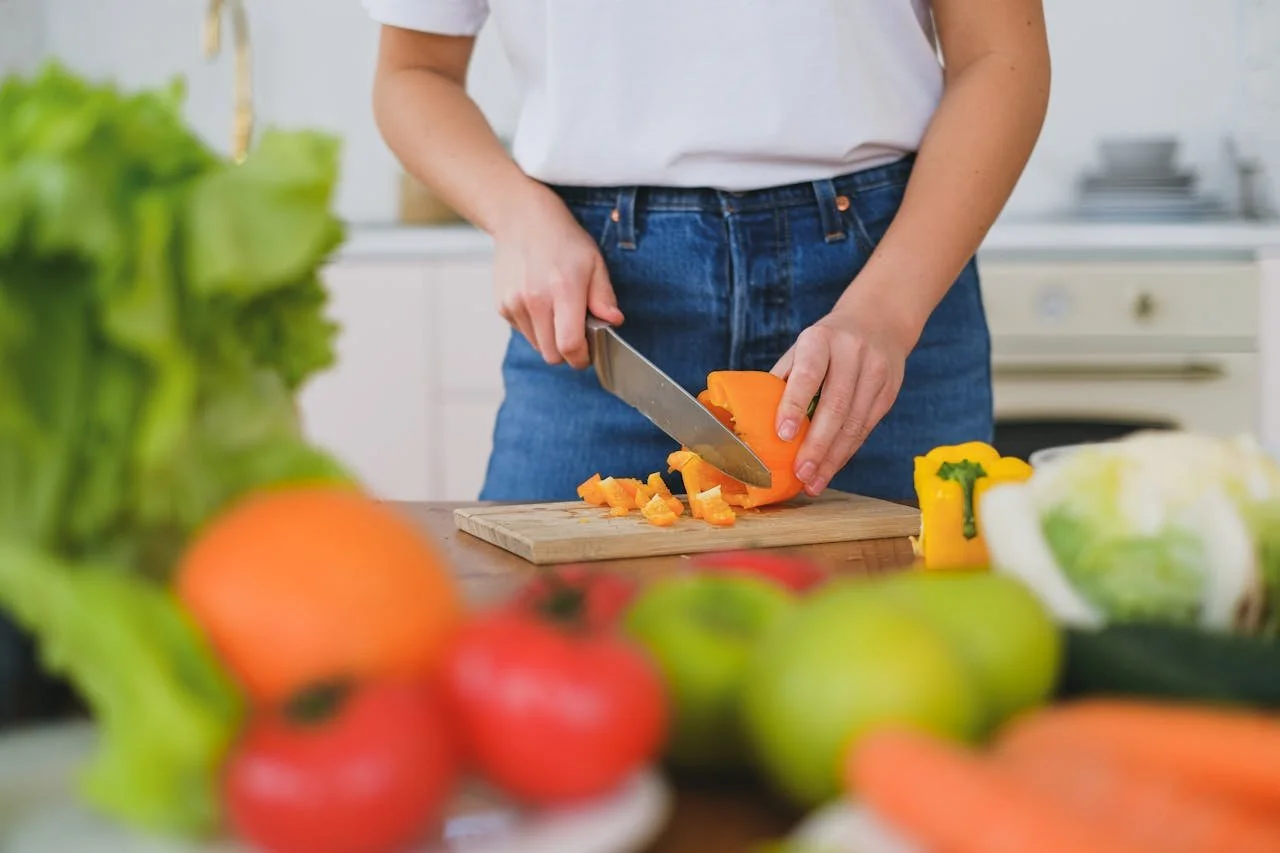
Women with pelvic concerns like overactive bladder may find that diet can help ease symptoms. The wrong foods can also irritate the bladder. Here are some guidelines on nutrition for pelvic health, including bladder friendly foods and other lifestyle suggestions.
Bladder Friendly Foods: How to Eat for Pelvic Health
Guidelines for what you should and shouldn’t eat aren't just provided to those with chronic conditions like heart disease.
There are also suggestions for eating bladder friendly foods, a concern for women in particular. Some studies have found that up to 60% of adult women in the United States experience some form of urinary incontinence,1 with other bladder problems also being prevalent.
There are certain foods that seem to irritate the bladder. Don’t despair! There are also plenty of tasty foods that are good for pelvic health.
What’s the best diet for urinary incontinence? Here are some dos and don’ts when it comes to nutrition and pelvic health.
What Are Bladder Friendly Foods?
If you suffer from a bladder concern like incontinence, which is when you leak urine, or overactive bladder, then certain foods may make your problems worse.
For instance, some foods may increase the urgency and frequency of overactive bladder symptoms, by stimulating the sensation that the bladder is full and urgently needs to be emptied. Other foods may increase leaks for those with incontinence problems.
A diet for overactive bladder, for bladder irritations, or to reduce incontinence often involves avoiding certain foods.
Foods That Cause Bladder Irritation
There are certain foods that seem to irritate the bladder, worsening the pain caused by conditions like chronic bladder pain syndrome.
Foods that irritate the bladder may include:2
- alcohol
- carbonated beverages
- caffeine in all forms, including chocolate
- citrus fruits and products
- foods with high concentrations of vitamin C
- pickled foods
- tomatoes
The same is true of overactive bladder — certain foods have been known to make the symptoms worse. The lists are similar when it comes to certain items.
Here are foods that can make the symptoms of overactive bladder worse:2
- alcohol
- caffeinated beverages
- carbonated beverages
- citrus foods
- high water-content foods, like watermelon, cucumbers and strawberries
- onions
- salsa
- spicy food
- tomatoes
Rather than immediately eliminating any of these foods, keep track of what seems to bother you. Some choices may be worse than others. If you’re aware, you can either avoid that food, or plan accordingly if you decide to eat it.
Bladder Friendly Foods
Now you have an idea about everything you should avoid — or limit — eating and drinking. What about the foods you can eat for your bladder?
The best diet for urinary incontinence or diet for overactive bladder can also include plenty of foods that are good for bladder health.
Here are some tasty foods that you should be able to enjoy without irritating your bladder:3
- Certain Fruits: Pears and bananas are both on this list, as healthy fruits that provide nutrition and fiber without irritation.
- Certain vegetables and legumes: Green beans, winter squash like acorn, butternut and spaghetti, and both white and sweet potatoes are considered bladder-friendly foods.
- Whole grains and breads: Grains like quinoa, rice and oats, as well as breads are all considered bladder-friendly and tasty.
- Lean proteins: This is a good recommendation for overall health, as low-fat beef, pork, chicken, turkey and fish are not likely to bother your bladder and are better for you than high-fat or fried foods.
- Nuts: Almonds, cashews and peanuts are all healthy choices.
- Eggs: These are among the foods considered "least bothersome" when it comes to bladder conditions.
The Importance of Water for Bladder Health
If you have incontinence or overactive bladder, you may think it’s best to drink as little as possible. Some drinks, like alcohol or coffee, can irritate the bladder or worsen incontinence. If you find that’s the case, limit those drinks as much as possible to ease your symptoms.
You still need to make sure you drink plenty of water, however. Water plays a number of key roles when it comes to bladder health. For one, it helps flush bacteria from the bladder.4
Water can also help you avoid constipation, which is important because constipation can make urinary symptoms worse. When you restrict your fluid intake, you can become constipated, which in turn stops your bladder from expanding and contracting as expected.2 Stool backed up in the rectum can also push on the bladder, causing leakage.5
When you’re dehydrated, your urine also becomes more concentrated, which can irritate your bladder. This in turn can increase urinary urgency and leaking.5
How much water should you drink for bladder health? Most people should aim to drink about 60 ounces per day, so that your urine is a light yellow color most of the time.2
The Best Diet for Your Bladder
Now that you understand the general guidelines for bladder friendly foods, and for those foods that may irritate your bladder, you can track how a diet for overactive bladder impacts you. After all, you will know the best diet for your bladder.
You may find there are certain foods that make your symptoms worse, causing increased urgency, more leaks, or bladder irritation or pain. You can keep a food diary to track what bothers you.
If you find a certain food has an impact, stop eating or drinking it for a few days to see what happens. That will help you learn if that food or drink makes your symptoms better or worse.4
Lifestyle Strategies for Bladder Health
Besides finding the best diet for urinary incontinence, you can also practice lifestyle strategies that may help with your symptoms. For instance, if you’re bothered by incontinence at night, drink plenty of fluids in the morning and afternoon, but stop drinking a few hours before bedtime.
You can also ask your doctor for guidance on bladder training, which involves changing habits to go to the toilet at set times. Then you gradually increase the times between urinating to allow the bladder to fill more fully and hopefully control the urge to urinate.6
Cutting back on liquids before a long drive, or before going to a social event are other possible lifestyle adjustments.
Keeping the Pelvic Floor Healthy
Pelvic health is not just about restricting what you eat and drink. While bladder friendly foods may help with problems like incontinence, pelvic health encompasses good nutrition along with exercise.
Your pelvic floor is a group of muscles and ligaments that hold your pelvic organs in place, and help control essential bodily functions like peeing, pooping, having sex, and pregnancy and childbirth.
In terms of bladder problems, those pelvic floor muscles are vital to bladder control, and nutrition plays a key role in keeping those pelvic floor muscles healthy.
A balanced diet rich in fruits, vegetables, whole grains, and healthy fats provides essential vitamins and minerals. Adequate protein intake helps with muscle repair and maintenance. A healthy diet contributes to overall muscle and tissue health, including those of the pelvic floor.5
How to Strengthen Pelvic Floor Muscles
Exercise can also help keep your pelvic floor health, and pelvic floor exercises are a vital part of pelvic health. These exercises can be a valuable addition to your daily routine even if you don’t have bladder problems. In fact, women of any age can practice exercises known as “Kegels.”
Research shows that pelvic floor exercises provide better control over a woman’s bladder and bowels. They are a form of treatment to strengthen weak pelvic floor muscles, and they can prevent these muscles from getting weak in the first place.
Kegels involve contracting the pelvic area just like you would when you stop the flow of urine, or prevent gas from passing. The muscle contraction creates a "pulling" feeling in your vaginal or rectal area.
Here’s how to incorporate Kegels in your daily routine:7
- Perform one Kegel by contracting the pelvic floor muscles for three seconds, then fully relaxing the muscles for three seconds.
- Perform 10 Kegels in one session, eventually working up to 15 repetitions per session.
- Do three sessions a day: once sitting, once standing, and once lying down to make the muscles stronger.
Perform Kegels Properly Using This Innovative Technology
One way to make sure you’re performing pelvic floor muscles exercises properly is by using a clinically proven tool. In the same way that a weight machine will target a specific muscle group like your biceps, the Gynesis pelvic floor trainer shorts are proven to be effective at targeting the pelvic floor muscles.
The Gynesis exclusive Multipath Technology ensures electrical stimulation reaches multiple areas of your pelvic floor muscles. You get a comprehensive session and ensure you’re not just working one part of your pelvic floor. This technology allows the shorts to target all critical areas of the pelvic floor.
The FDA-pending external solution is designed to be comfortable for everyday use, and provides a thorough and effective workout for the pelvic floor. You can strengthen your muscles gradually in only 30 minutes in the comfort of your home.
Find a Doctor who specializes in Women's Health. Use the Physician Finder Tool
Foods that cause bladder irritation can vary depending on the individual. Your best diet for urinary incontinence may be different from your friend’s diet for overactive bladder. For more advice on bladder concerns, use our Physician Finder to find a doctor near you with expertise in women’s health. Bladder issues should not impact your quality of life, so seek medical advice to get you back on track.
[accordion][accordion_item title="Click for References"]
1- https://pubmed.ncbi.nlm.nih.gov/35030139/
3- https://www.urologyhealth.org/healthy-living/care-blog/10-foods-your-bladder-will-fall-in-love-with
4- https://myhealth.alberta.ca/Health/aftercareinformation/pages/conditions.aspx?hwid=uf9172
7- https://www.niddk.nih.gov/health-information/urologic-diseases/kegel-exercises
[/accordion_item][/accordion]